

Buying your first home can feel stressful. Monthly payments often look high at the start. A rate buydown can help lower those payments in the early years. In 2026, first-time homebuyers can still qualify for a rate buydown, but certain rules apply. You must qualify for the loan first. The buydown is added during the purchase process.
This guide explains how a rate buydown works and how first-time buyers can qualify using clear and simple language.
What a Rate Buydown Is and Why It Helps
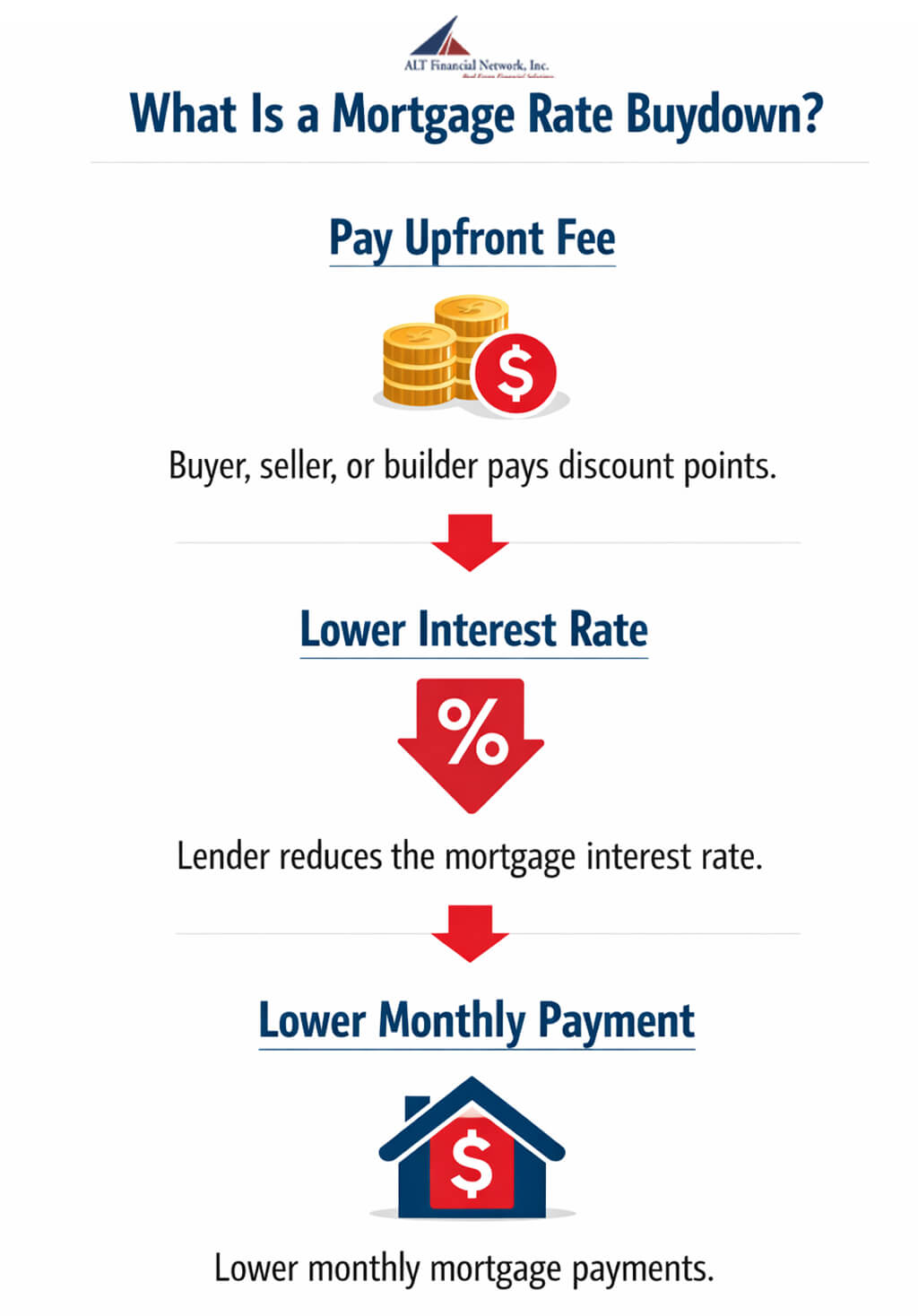
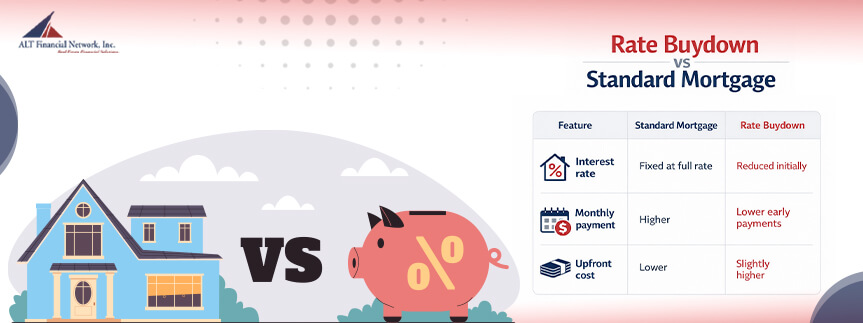
A rate buydown lowers your mortgage interest rate. This lower rate reduces your monthly payment. Some buydowns last only a few years. Others last for the full loan term.
Many first-time buyers use a buydown with a First-Time Homebuyer mortgage to make early payments more manageable. Even with a reduced rate, lenders still focus on long-term affordability.
A rate buydown does not change loan approval rules. It only changes how interest is applied.
Do You Qualify at the Lower Rate?
No. Lenders do not approve loans based on the discounted rate. They always qualify you using the full interest rate. This applies to most temporary buydowns, such as 2-1 or 3-2-1 options.
This rule helps protect buyers from future payment increases. It ensures you can afford the loan after the buydown period ends.
Basic Loan Requirements You Must Meet
Before a rate buydown is allowed, lenders review standard mortgage rules.
- You must qualify at the full interest rate
- Most conventional loans require a credit score of 620 or higher
- FHA loans may allow lower scores
- Income must be stable and documented
- Employment history must meet lender guidelines
These rules apply to every First-Time Homebuyer mortgage, even when a buydown is included.
Debt and Income Rules Explained Simply
Lenders also review how much debt you carry.
- They calculate your debt-to-income ratio
- This compares monthly debt to monthly income
- Most lenders prefer 36% to 45% or less
- The full mortgage payment is used
- Credit cards, auto loans, and student loans count
Lower debt improves approval chances.
Property Rules for Rate Buydowns
Not every property qualifies for a buydown.
- The home must be your primary residence
- Some second homes may qualify
- Investment properties usually do not qualify
- Rental properties are often excluded
These rules reduce lender risk.
How First-Time Buyers Secure a Rate Buydown
Rate buydowns must be planned during the purchase process. They do not happen automatically.
- Most temporary buydowns are paid by the seller
- Builders often offer buydowns on new homes
- The request must be written into the purchase contract
- Verbal promises do not count
- The lender must approve the final structure
Working with a mortgage broker in California can help first-time buyers understand available buydown options and coordinate the process with lenders, builders, and sellers.
Planning early helps avoid closing delays.
Loan Types That Work with Buydowns
Not all loan types allow buydowns.
- Fixed-rate loans usually allow buydowns
- Adjustable-rate loans often do not
- Cash-out refinance loans do not qualify
- Purchase loans work best
Choosing the right structure matters when setting up a First-Time Homebuyer mortgage.
Common Buydown Options Explained
Buydowns come in different forms. Each option works differently.
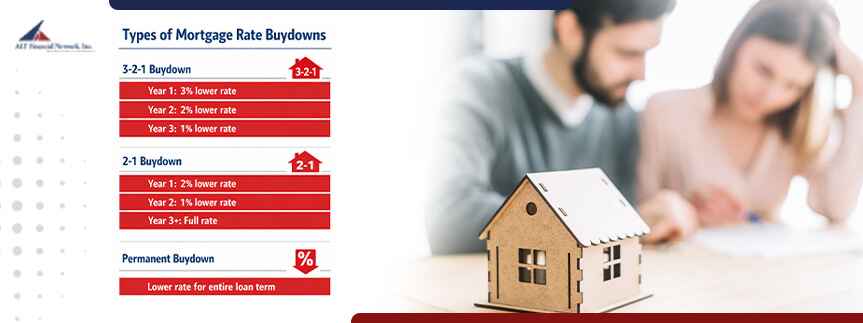
- 2-1 Buydown
- Lower rate in year one
- Slightly higher rate in year two
- Full rate begins in year three
- 3-2-1 Buydown
- Lowest rate in year one
- Rate increases each year
- Full rate begins in year four
- Permanent Buydown
- Rate stays lower for the full loan
- Costs more at closing
- Can save more over time
Each option affects monthly payments in a different way.
First-Time Buyer Programs in 2026
Some programs help first-time buyers but add extra rules.
- Income limits may apply
- Limits are based on local income levels
- Many programs cap income at 80% of area median income
- Homebuyer education classes may be required
- Program rules vary by lender
To learn more about available support, you can also review our guide on First-Time Homebuyer Programs and Incentives for Californians.
Using a Buydown as a Short-Term Plan
Some buyers use temporary buydowns to lower early payments. The plan is often to refinance later if rates fall. Many buyers look at a three to five year window.
Refinancing depends on future market conditions. It is never guaranteed. Buyers should plan for the full payment from the start.
Common Mistakes First-Time Buyers Make
Some mistakes can reduce the value of a rate buydown.
- Assuming approval is based on the lower payment
- Ignoring future payment increases
- Relying only on refinancing plans
- Paying upfront costs without checking savings
- Stretching the budget too far
Understanding the full picture helps avoid stress.
Final Thoughts
A rate buydown can help first-time buyers manage early mortgage payments. You must still qualify at the full interest rate. You must plan the buydown during the purchase. You must prepare for future payment changes. When used carefully, a rate buydown can support a stable start to homeownership without creating long-term risk.
Frequently Asked Questions
Can a first-time homebuyer qualify for a rate buydown in 2026?
Yes. First-time homebuyers can qualify for a rate buydown in 2026 if they meet the lender’s standard mortgage requirements. The buyer must qualify for the loan using the full interest rate, not the reduced buydown rate.
Does a rate buydown make it easier to get approved for a mortgage?
No. A rate buydown lowers monthly payments, but it does not make loan approval easier. Lenders review your income, credit score, debt-to-income ratio, and other factors using the full mortgage rate.
Who pays for a mortgage rate buydown?
In many cases, the seller pays for a temporary rate buydown as a buyer incentive. Home builders may also offer buydowns on new construction homes. The payment arrangement must be included in the purchase agreement.
What credit score is needed for a rate buydown?
The credit score requirement depends on the loan type. Many conventional loans require a score of at least 620, while some FHA loans may allow lower scores if other qualifications are met.
Can I use a rate buydown on an FHA loan?
Yes. FHA loans may allow rate buydowns if the lender and loan program permit them. Buyers must still meet FHA qualification requirements and lender guidelines.
What is the difference between a 2-1 buydown and a permanent buydown?
A 2-1 buydown temporarily lowers the interest rate during the first two years of the loan before returning to the full rate. A permanent buydown lowers the interest rate for the entire loan term but usually requires a higher upfront cost.
Can a mortgage broker in California help with a rate buydown?
Yes. A mortgage broker in California can help first-time buyers compare lenders, review buydown options, understand qualification requirements, and identify programs that may reduce upfront housing costs.
Is refinancing after a rate buydown guaranteed?
No. Refinancing depends on future interest rates, home equity, income, credit qualifications, and lender requirements. Buyers should be prepared to afford the full mortgage payment even if refinancing is not available later.
Are rate buydowns available for investment properties?
Most temporary rate buydowns are designed for primary residences. Some lenders may allow buydowns on second homes, but investment properties often have restrictions or may not qualify.
What are the benefits of a rate buydown for first-time homebuyers?
A rate buydown can reduce monthly mortgage payments during the early years of homeownership. This can provide financial flexibility while buyers adjust to homeownership expenses and build long-term financial stability.

